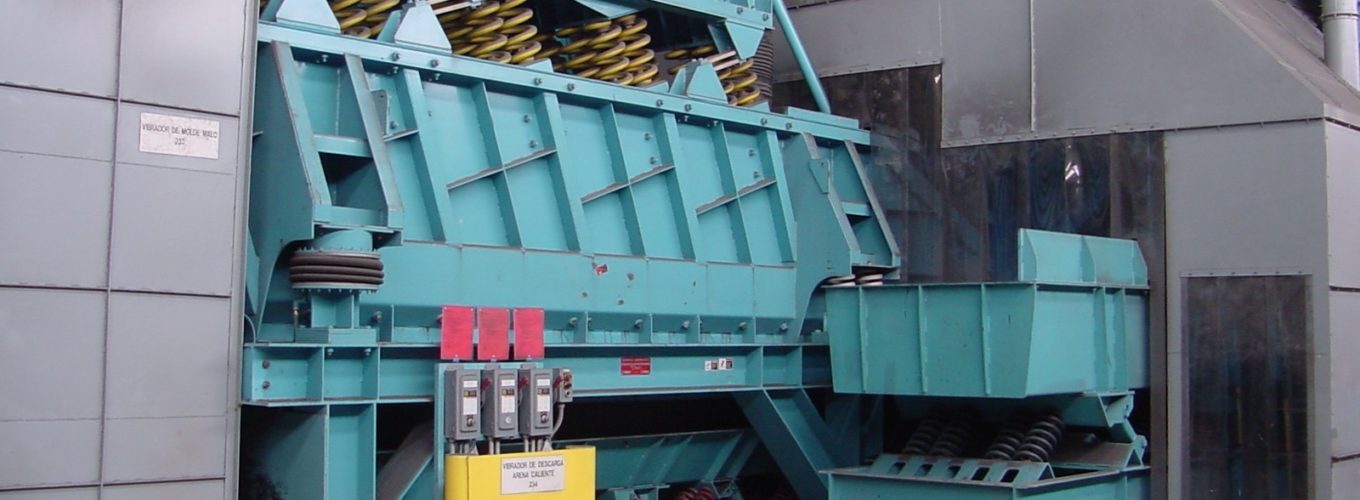


When selecting a vibratory shakeout, foundries have several technologies to choose from. Two of the most common are Brute Force, also referred to as direct drive, and Two-Mass vibratory shakeouts. Both technologies can effectively remove sand from castings, and both have a place in the modern foundry. The difference is in how they create the vibratory motion needed to perform the work.
For smaller or less demanding applications, the simplicity of a Brute Force shakeout can make it an effective solution. As production requirements increase, however, Two-Mass technology offers several important advantages in energy consumption, load response, equipment sizing, and long-term operation.
How Does a Brute Force Shakeout Work?
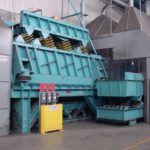
A Brute Force shakeout uses vibratory motors mounted directly to the vibrating body of the machine. Eccentric weights in the motors generate the force required to move the shakeout deck and process material. It is a simple, proven design. With the motors connected directly to the vibrating mass, however, the drive must generate the force necessary to move the machine and the material being processed. As the machine gets larger or material loading increases, more force is required to maintain the desired vibratory motion. For many smaller shakeout applications, this straightforward design provides a practical and economical solution.
How Does a Two-Mass Shakeout Work?
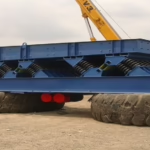
A Two-Mass shakeout approaches vibration differently. Instead of mounting the drive directly to the shakeout body, a second mass, called the exciter, is connected to the shakeout body through a network of reactor springs. The exciter and shakeout body work together as a tuned vibratory system. The springs store and release energy during every vibration cycle, allowing the machine to generate the required process motion with significantly less drive input. Rather than relying on horsepower alone to create vibration, Two-Mass technology puts the natural frequency of the machine to work. This is where the advantages of Two-Mass become significant.
Less Horsepower. Same Job.
One of the biggest advantages of Two-Mass technology is its ability to generate high levels of vibratory force with relatively low horsepower. On a Brute Force machine, the motors are responsible for generating the force necessary to move the vibrating mass. Increase the size of the machine or the amount of material on the deck, and the demands on the drive increase accordingly. A Two-Mass system uses energy stored within the spring system to help maintain machine motion. Once operating, the drive primarily replaces the energy lost during each vibration cycle. For foundries operating large shakeouts over multiple shifts, reducing connected horsepower can translate directly into lower electrical consumption over the life of the equipment. The larger the machine and the longer it operates, the more important this difference becomes.
What Happens When the Load Changes?
Foundry shakeouts rarely operate under perfectly consistent conditions. Mold weights change. Casting sizes change. Production rates fluctuate. At times, significantly more material may enter the shakeout than during normal operation. These changes in material loading affect the vibrating system. Because a Brute Force drive is directly connected to the vibrating mass, increasing the material load can reduce machine stroke if the additional load exceeds what the drive was sized to handle. GK Two-Mass systems are designed to respond differently. The tuned spring system allows the machine to compensate for changing material loads while maintaining the motion required for effective shakeout. For high-production foundries where mold loading can vary throughout a shift, maintaining consistent stroke can mean more consistent shakeout performance.
Keeping Vibration Where It Belongs
A shakeout needs vibration to do its job. The question is where that vibratory energy goes. With any vibratory machine, forces that are not managed within the equipment must ultimately be accommodated by isolation components, structural steel, foundations, or the surrounding building. This becomes increasingly important as shakeouts become larger. Two-Mass systems can be designed to minimize the forces transmitted into the supporting structure by managing much of the vibratory energy within the machine itself. For large-capacity equipment, elevated installations, or existing foundries where foundation modifications can be difficult and expensive, this can be an important advantage. It is not enough to consider the shakeout alone. The entire installation matters.
Protecting the Drive From the Process
Shakeout is not a gentle application. Hot molds, heavy castings, sand, and repeated impact create a demanding environment for any piece of equipment. On GK Two-Mass Shakeouts, the drive is mounted on the separate exciter mass rather than directly on the shakeout deck. This isolates the drive from the high-intensity impact occurring on the working surface of the machine. GK’s Two-Mass design also eliminates many of the traditional drive components associated with larger mechanical drive arrangements, helping simplify maintenance while providing the high-frequency motion required for effective sand removal. The result is a drive system designed around the realities of a foundry environment.
Is Brute Force Still the Right Choice?
Absolutely – in the right application.
General Kinematics manufactures Brute Force Shakeouts because there are applications where their simplicity makes sense. Smaller capacities, shorter machine lengths, intermittent operation, and applications where energy consumption or structural loading are less critical can all be good candidates for direct-drive equipment. The goal should never be to apply Two-Mass technology simply because it is available. The goal is to apply the right technology to the process. As the application becomes larger and more demanding, however, the advantages of Two-Mass become harder to overlook.
When Two-Mass Makes the Difference
High-production foundries demand a lot from their shakeout equipment. Machines must handle changing loads, operate for long periods, maintain consistent process motion, and survive one of the harshest environments in the plant. This is where Two-Mass technology shines. By using a tuned spring system to generate and maintain vibratory motion, GK Two-Mass Shakeouts can process large loads using lower horsepower while maintaining consistent stroke as process conditions change. For a foundry evaluating equipment that may operate for decades, those advantages can have an impact far beyond the initial equipment purchase. Energy consumption, foundation requirements, drive loading, maintenance, uptime, and process consistency all contribute to the true cost of owning a shakeout.
Choosing the Right Shakeout and the Right Partner
Selecting a shakeout is about more than choosing between Brute Force and Two-Mass technology. It is about understanding how the equipment will perform within your entire foundry process, not only on startup day, but for decades to come. That is where General Kinematics brings a different level of value. With more than 60 years of experience engineering vibratory equipment for foundries around the world, GK looks beyond the machine itself. Casting size, mold weight, production rate, sand conditions, retention time, foundation requirements, upstream and downstream equipment, energy consumption, maintenance, and long-term operating costs all factor into the solution.
Because GK offers multiple shakeout technologies, the recommendation starts with the application, not with forcing a particular machine into the process. When Brute Force is the right fit, GK can provide it. When higher capacities, lower horsepower, changing material loads, reduced transmitted forces, and long-term operating efficiency become priorities, GK’s engineered Two-Mass technology can deliver significant value over the life of the equipment. The right shakeout can reduce energy consumption, minimize structural requirements, improve process consistency, simplify maintenance, increase uptime, and provide reliable operation for decades. GK engineers equipment with that total lifecycle in mind.